
Spinal stenosis occurs when spaces within the spine become narrowed, which can place pressure on the spinal cord or nearby nerves. When this narrowing develops in the cervical spine, or neck, it may cause neck pain along with symptoms that extend into the shoulders, arms, or hands.
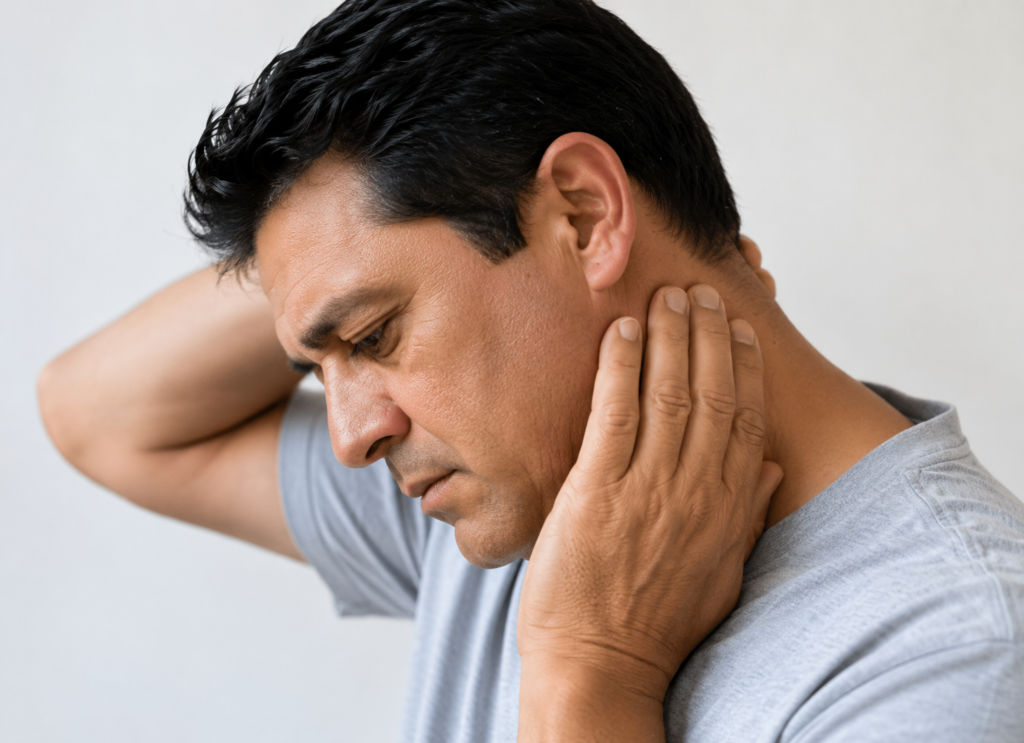
How Cervical Spinal Stenosis Develops
Changes in the spine can gradually reduce the amount of space available for the spinal cord and nerves. Age-related wear, arthritis, bone spurs, disc changes, and thickened spinal tissues may all contribute to narrowing within the cervical spine.
Symptoms of Cervical Spinal Stenosis
Symptoms can vary depending on the location and severity of the narrowing. Some people experience neck pain and stiffness, while others may develop numbness, tingling, weakness, or discomfort traveling into the shoulder, arm, or hand. Fine motor activities may also become more difficult when nerve structures are affected.
Why Spinal Stenosis Can Cause Neck Pain
As the spaces within the cervical spine narrow, pressure or irritation may develop around sensitive nerve structures. This can contribute to localized neck pain as well as symptoms that travel beyond the neck. Certain positions or activities may increase symptoms depending on which structures are affected.
How Cervical Spinal Stenosis Can Affect Daily Activities
Neck stiffness, arm discomfort, numbness, or weakness can make everyday activities more difficult. Patients may notice problems when looking down at a phone or computer, turning the head while driving, reaching overhead, lifting objects, or maintaining one position for an extended period.
How Conservative Care May Help
Treatment depends on the severity of the stenosis and the symptoms it is causing. When conservative care is appropriate, chiropractic care and physical therapy may focus on improving mobility, posture, strength, and function while reducing unnecessary stress on the affected area. Treatment should always be individualized based on examination findings and the patient’s specific condition.
Spinal Stenosis and Motor Vehicle Accident Symptoms
A motor vehicle accident can aggravate pre-existing neck conditions or make previously mild symptoms more noticeable. Sudden forces from a collision may increase neck pain, stiffness, numbness, tingling, or radiating symptoms in someone who already has cervical spinal stenosis. A proper evaluation can help determine whether symptoms are related to the accident, an underlying spinal condition, or a combination of both.