
Spinal decompression is a non-surgical treatment designed to relieve pressure on the spinal discs and nerves. By gently stretching the spine in a controlled manner, decompression therapy may help reduce discomfort associated with herniated or bulging discs, sciatica, pinched nerves, and other conditions affecting the neck and lower back.
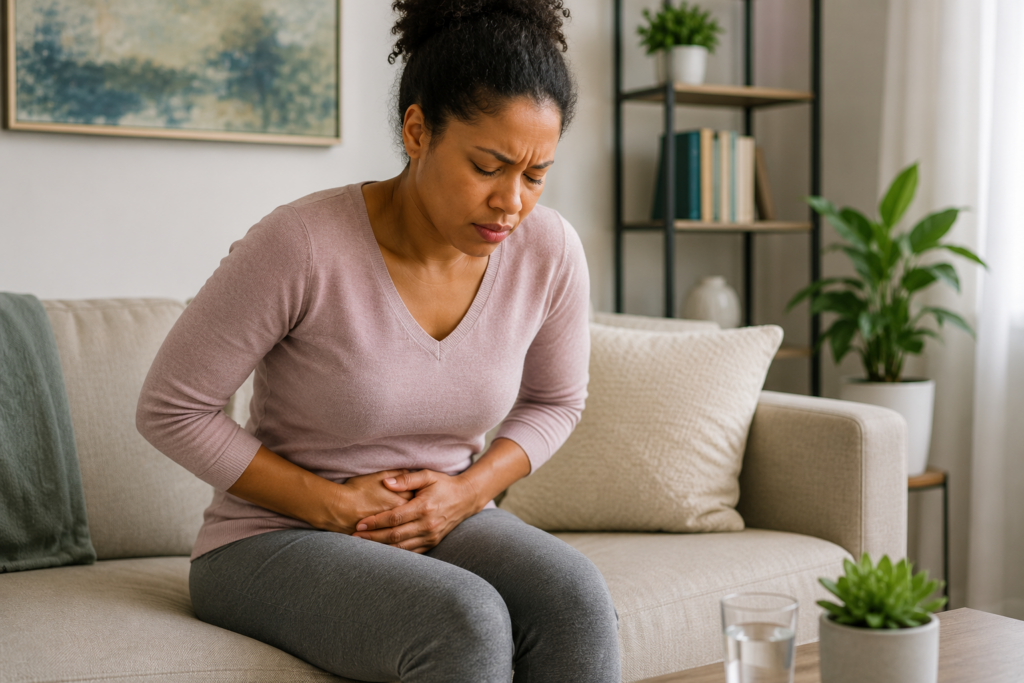
What Is Interstitial Cystitis?
Interstitial cystitis (IC), sometimes called bladder pain syndrome, is a chronic condition associated with bladder pressure, discomfort, and pelvic pain.
Symptoms can vary significantly from one person to another. Some people experience relatively mild discomfort, while others have symptoms that substantially interfere with work, sleep, exercise, relationships, and everyday activities.
Common Symptoms of Interstitial Cystitis
Interstitial cystitis may cause symptoms such as:
- Pain or pressure in the lower abdomen or pelvic region
- Bladder discomfort
- A frequent need to urinate
- A sudden or urgent need to urinate
- Discomfort as the bladder fills
- Pelvic discomfort
- Pain during sexual intercourse
Symptoms may come and go. Some people experience periods when symptoms become significantly worse, commonly referred to as flare-ups.
What Can Trigger an IC Flare-Up?
Triggers are not necessarily the same for everyone.
The original Easy Reach article noted that factors such as stress, menstruation, urinary tract infections, and sexual activity may be associated with symptom flare-ups in some people.
Learning to recognize personal triggers can therefore be an important part of managing the condition.
Why Interstitial Cystitis Treatment Is Individualized
One of the challenges with interstitial cystitis is that a treatment that helps one person may not provide the same results for another.
That means there may not be one single treatment that addresses every patient’s symptoms.
Medical evaluation is important, and conservative care should complement — not replace — appropriate evaluation and treatment from a physician or specialist managing the bladder condition.
Can Physical Therapy Help?
Physical therapy may play a role in the management of pelvic pain and bladder pain syndrome, particularly when pelvic floor muscle dysfunction is contributing to symptoms.
Rather than assuming that pelvic floor muscles simply need strengthening, a properly trained provider should evaluate how those muscles are functioning.
Depending on the findings, treatment may focus on relaxation, coordination, mobility, posture, breathing, or other appropriate therapeutic techniques.
The treatment plan should be individualized to the patient’s specific symptoms and examination findings.
Exercise and Movement
Regular movement can support overall health, circulation, mobility, and physical conditioning.
However, patients experiencing pelvic or bladder pain may need to modify certain activities during a flare-up.
An appropriate exercise program should take symptoms and physical limitations into consideration instead of simply pushing through pain.
Depending on the patient, rehabilitation may include gentle mobility exercises, stretching, breathing techniques, posture work, and gradually progressing activity as tolerated.
The Role of Posture
Posture may not be the first thing someone thinks about when dealing with bladder or pelvic discomfort.
However, prolonged sitting and certain postural positions can affect the muscles and structures surrounding the pelvis.
Evaluating sitting habits, workstations, and everyday movement patterns may identify unnecessary physical strain.
For people who spend much of the workday sitting, simple changes to chair position, workstation setup, and movement breaks may make daily activities more comfortable.
Stress Management
Stress does not mean that interstitial cystitis symptoms are imaginary.
However, stress may contribute to symptom flare-ups in some people. The original Easy Reach article specifically identified stress as a potential IC trigger.
Developing healthy stress-management strategies may therefore be a useful part of a broader management plan.
Strategies may include relaxation exercises, breathing techniques, regular appropriate physical activity, adequate sleep, and identifying situations that tend to worsen symptoms.
Identifying Your Personal Triggers
Keeping track of symptoms can help some patients recognize patterns.
Consider noting:
- When symptoms become worse
- Foods or beverages consumed before a flare-up
- Stress levels
- Physical activities
- Menstrual cycle changes
- Sitting duration
- Exercise
- Sleep patterns
- Other activities that appear to affect symptoms
This information can also be useful when discussing symptoms with your healthcare providers.
What About Chiropractic Care?
Chiropractic care does not treat the bladder disease itself.
When appropriate, chiropractic care may instead address accompanying musculoskeletal concerns such as back discomfort, restricted movement, or mechanical problems that may be occurring at the same time.
This distinction is important because persistent urinary or bladder symptoms require appropriate medical evaluation.
A Team Approach May Be Best
Because interstitial cystitis is a complex condition, some patients may benefit from care involving more than one healthcare professional.
Depending on individual needs, that team may include a primary care physician, urologist, gynecologist, pelvic health specialist, physical therapist, or other appropriate provider.
Conservative musculoskeletal care can then be coordinated with the patient’s medical treatment when appropriate.
When Should You Seek Medical Attention?
Bladder pain, pelvic pain, frequent urination, and urinary urgency should not automatically be assumed to be interstitial cystitis.
Other medical conditions can produce similar symptoms.
If you experience new, persistent, severe, or changing urinary symptoms, seek medical evaluation to determine the cause.
Symptoms such as blood in the urine, fever, significant worsening of pain, or other concerning changes warrant prompt medical attention.
Living With Interstitial Cystitis
Living with a chronic condition can be frustrating, particularly when symptoms fluctuate without warning.
The goal of treatment is not simply to get through today’s flare-up. A comprehensive plan can also help patients better understand their symptoms, recognize potential triggers, maintain appropriate activity, and develop strategies for managing the condition over time.
Your treatment should evolve as your symptoms and needs change.
Supportive Care at Easy Reach Chiropractic & Physical Therapy
At Easy Reach Chiropractic & Physical Therapy, our role is to evaluate and address appropriate musculoskeletal and functional problems that may accompany a patient’s condition.
When physical therapy or chiropractic care is appropriate, treatment is individualized according to examination findings, symptoms, mobility limitations, and functional goals.
Patients with interstitial cystitis should continue working with the appropriate medical provider for diagnosis and management of the bladder condition itself.
Finding the Right Approach for You
Interstitial cystitis can be challenging because symptoms and triggers differ from person to person. What provides relief for one patient may not work for another.
Understanding your symptoms, identifying possible triggers, remaining appropriately active, and working with the right healthcare professionals can help you develop a more individualized strategy for managing the condition.
If musculoskeletal pain, mobility limitations, posture, or physical function are also affecting your daily life, contact Easy Reach Chiropractic & Physical Therapy to learn whether conservative care may be appropriate for those concerns.