
Spinal decompression is a non-surgical treatment that may be considered for certain conditions involving the discs, joints, and nerves of the spine. By applying controlled, gentle traction to the cervical or lumbar spine, decompression is designed to reduce pressure on affected structures and may help relieve symptoms such as neck pain, lower back pain, numbness, tingling, or radiating pain.
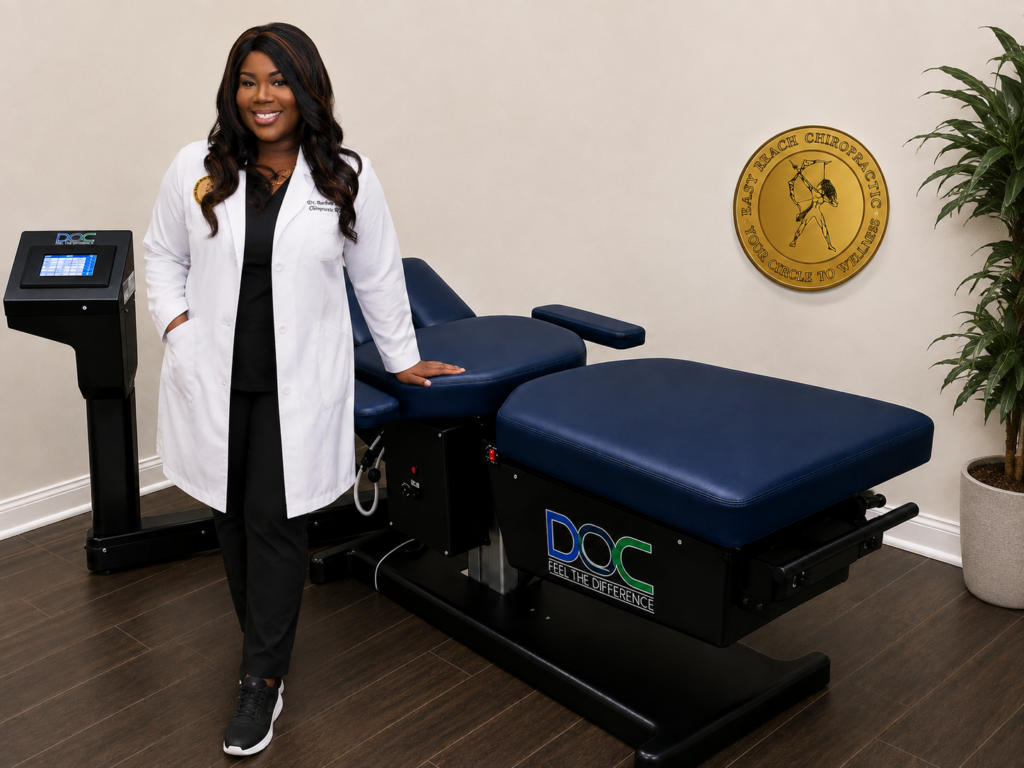
Conditions That May Benefit From Spinal Decompression
Not every type of neck or back pain requires spinal decompression. A proper examination is necessary to determine the source of the symptoms and whether decompression is appropriate. Depending on the individual condition, spinal decompression may be considered for several common spinal problems.
Herniated or Bulging Discs
When a spinal disc bulges or herniates, it may irritate or place pressure on nearby nerves. This can contribute to localized neck or back pain as well as numbness, tingling, weakness, or pain traveling into an arm or leg. Spinal decompression may be incorporated into a conservative treatment plan when clinically appropriate.
Sciatica
Sciatica commonly causes pain, burning, numbness, or tingling that travels from the lower back into the buttock and leg. When sciatic symptoms are associated with disc involvement or nerve irritation in the lumbar spine, decompression may be considered as part of an individualized treatment plan.
Degenerative Disc Changes
Over time, spinal discs may lose hydration, flexibility, and height. These changes can increase stress on surrounding joints and may contribute to stiffness, pain, or nerve irritation. When appropriate, spinal decompression may be used as part of a conservative treatment plan to help reduce pressure in the affected area.
Neck and Back Pain After a Motor Vehicle Accident
A motor vehicle accident can aggravate existing spinal conditions or contribute to disc injuries and nerve irritation. Patients may develop neck pain, lower back pain, numbness, tingling, or radiating symptoms after a collision. When examination findings support its use, spinal decompression may be included as part of a broader treatment plan for accident-related spinal symptoms.
When Spinal Decompression May Not Be Appropriate
Spinal decompression is not suitable for every patient or every spinal condition. A thorough evaluation is important before treatment begins. Your provider will consider your symptoms, medical history, examination findings, imaging when available, and overall health before recommending decompression.
Spinal Decompression at Easy Reach Chiropractic & Physical Therapy
At Easy Reach Chiropractic & Physical Therapy, spinal decompression is used as part of an individualized approach to care. Depending on the patient’s needs, treatment may also include chiropractic care, physical therapy, therapeutic exercise, stretching, and other conservative therapies designed to improve mobility and function.
Schedule an Evaluation
If you are experiencing persistent neck pain, lower back pain, sciatica, numbness, tingling, or symptoms after a motor vehicle accident, schedule an evaluation with Easy Reach Chiropractic & Physical Therapy. We can determine whether spinal decompression may be appropriate for your condition.